Discover Islam
Curious about Islam?
Start here. No pressure, just a discussion from the heart. This page is for neighbors, coworkers, students, and anyone who wants to understand what Muslims believe and practice.
What Muslims believe
What Muslims believe
These six beliefs form the core of Islamic faith. Click any tile to learn more.
Belief in God (Allah)
One God, without partners, the Creator and Sustainer of everything. Muslims refer to God as Allah.
Belief in Angels
Unseen beings created by God who carry out His commands, including delivering revelation, recording deeds, and praising Him.
Belief in Revealed Books
Scriptures sent by God, including the Torah, Psalms, Gospel, and the Quran as the final revelation. Muslims believe the Quran has been preserved as it was revealed.
Belief in the Prophets
Messengers sent to every nation, including Adam, Noah, Abraham, Moses, Jesus, and Mohamed ﷺ as the last of them. Muslims honor them all and do not elevate any prophet to divinity.
Belief in the Day of Judgment
Everyone is resurrected and held accountable for how they lived. Justice, mercy, and personal responsibility are central to this belief.
Belief in Divine Decree (Qadar)
God's knowledge covers everything that happens, while people stay responsible for their own choices. Faith and action go together.
How Muslims practice
What Muslims practice
The Five Pillars of Islam
five foundational acts of worship that nurture a Muslim’s faith, shape daily life, and guide spiritual growth.
Who was Prophet Mohamed ﷺ?
Mohamed ﷺ was the final prophet in a line that includes Abraham, Moses, and Jesus. Born in Mecca in 570 CE, he received the Quran over 23 years and taught his community to worship one God, care for neighbors, and uphold justice. Muslims honor him as a teacher and example, not as divine.
What is the Quran?
The Quran is the holy book of Islam, believed by Muslims to be the final revelation from God to humanity. It was revealed in Arabic to Mohamed ﷺ and covers guidance for worship, character, family, society, and the natural world. Translations are available in many languages.
Daily rhythm
A day in the life of a Muslim
Islam is not just a weekly event — it shapes how a believer begins, spends, and ends each day.
Dawn begins with prayer
Many Muslims start the day before sunrise with Fajr, the first of five daily prayers, followed by a short personal supplication.
Kindness in small things
Throughout the day, Muslims speak with kindness, keep their promises, help their neighbors, and avoid causing harm, seeing these everyday acts of goodness as acts of worship.
Prayer breaks the day
Zuhr (midday), Asr (afternoon), Maghrib (sunset), and Isha (night) are spaced reminders to pause, reset, and remember God.
Evening reflection
The day often ends with a few verses of the Quran, gratitude for the day, and prayers for family, friends, and the wider community.
How Muslims treat people
How Muslims treat their parents
Islam places kindness to parents immediately after worship of God. It is one of the most repeated duties in the Quran and the teachings of the Prophet ﷺ.
From the Quran
“Your Lord has decreed that you worship none but Him, and that you be kind to parents. Whether one or both of them reach old age with you, say not to them 'uff,' nor repel them, but speak to them a noble word.”
Quran 17:23
From the Sunnah
A man asked the Prophet Mohamed ﷺ, “Who is most deserving of my good companionship?” He said, “Your mother.” The man asked, “Then who?” He said, “Your mother.” The man asked, “Then who?” He said, “Your mother.” The man asked, “Then who?” He said, “Your father.”
Reported in Sahih al-Bukhari and Sahih Muslim
This respect extends beyond childhood. Muslims are taught to care for parents in old age with patience, humility, and gratitude — even when it is difficult.
The month of fasting
Ramadan, explained
Ramadan is the ninth month of the Islamic lunar calendar and the month in which Muslims believe the Quran was first revealed. From dawn until sunset, healthy adult Muslims abstain from food, drink, and intimacy, while also striving to control their speech and temper. Fasting (Sawm) is one of the Five Pillars of Islam, serving as a spiritual and physical exercise that fosters self-control, cultivates patience, and nurtures empathy for those in need. Sadaqah (voluntary charity) increases, and many give their Zakat during the month, allowing generosity to reach across the whole community. Ramadan ends with Eid al-Fitr, a day of prayer, gifts, and visiting.
Fasting from dawn to sunset
No food or drink between Fajr and Maghrib. Islam provides exemptions or allowances for those unable to fast or for whom fasting may cause hardship, including travelers and people who are ill, pregnant, nursing, or elderly.
Nights of prayer
Taraweeh prayers fill the masjid after Isha, and the last ten nights — which include Laylat al-Qadr, are the most sought-after of the year.
Charity and community
Giving increases sharply in Ramadan, and iftar is usually shared. Everyone is welcome at a community iftar, Muslim or not.
Suhoor, before dawn
The day begins with a pre-dawn meal taken quietly with family, followed by the intention to fast and the Fajr prayer.
A month of the Quran
Muslims immerse themselves in reciting and reflecting on the Quran, seeking mercy, inner peace and a heart realigned with God.
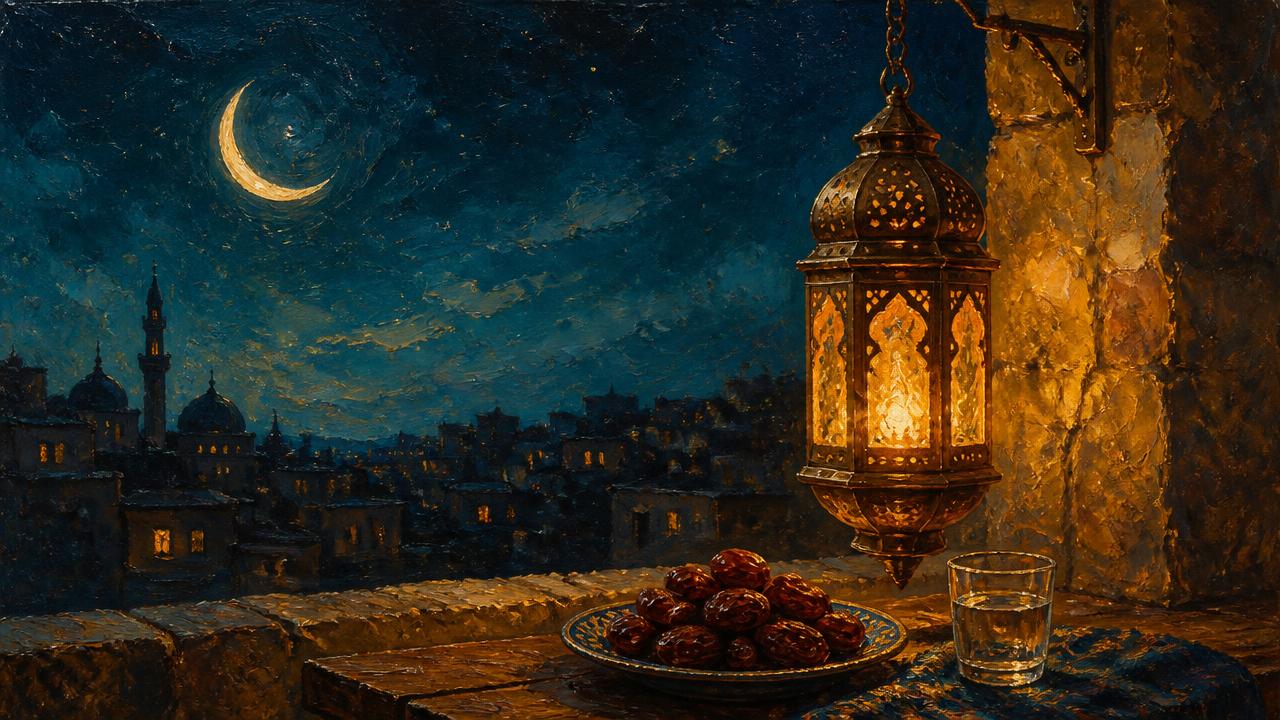
Iftar, at sunset
The fast is joyfully broken, traditionally with dates and water, followed by a meal shared in gratitude with family, neighbors, and the wider community.
Eid al-Fitr
The month ends with a joyous day of communal prayer, feasting, gift-giving and visiting, a celebration of gratitude and unity.
If you are fasting here
Taraweeh prayers, community iftars, and the Eid prayer location are announced by the masjid each year. Students can ask instructors about exam timing before Ramadan starts.
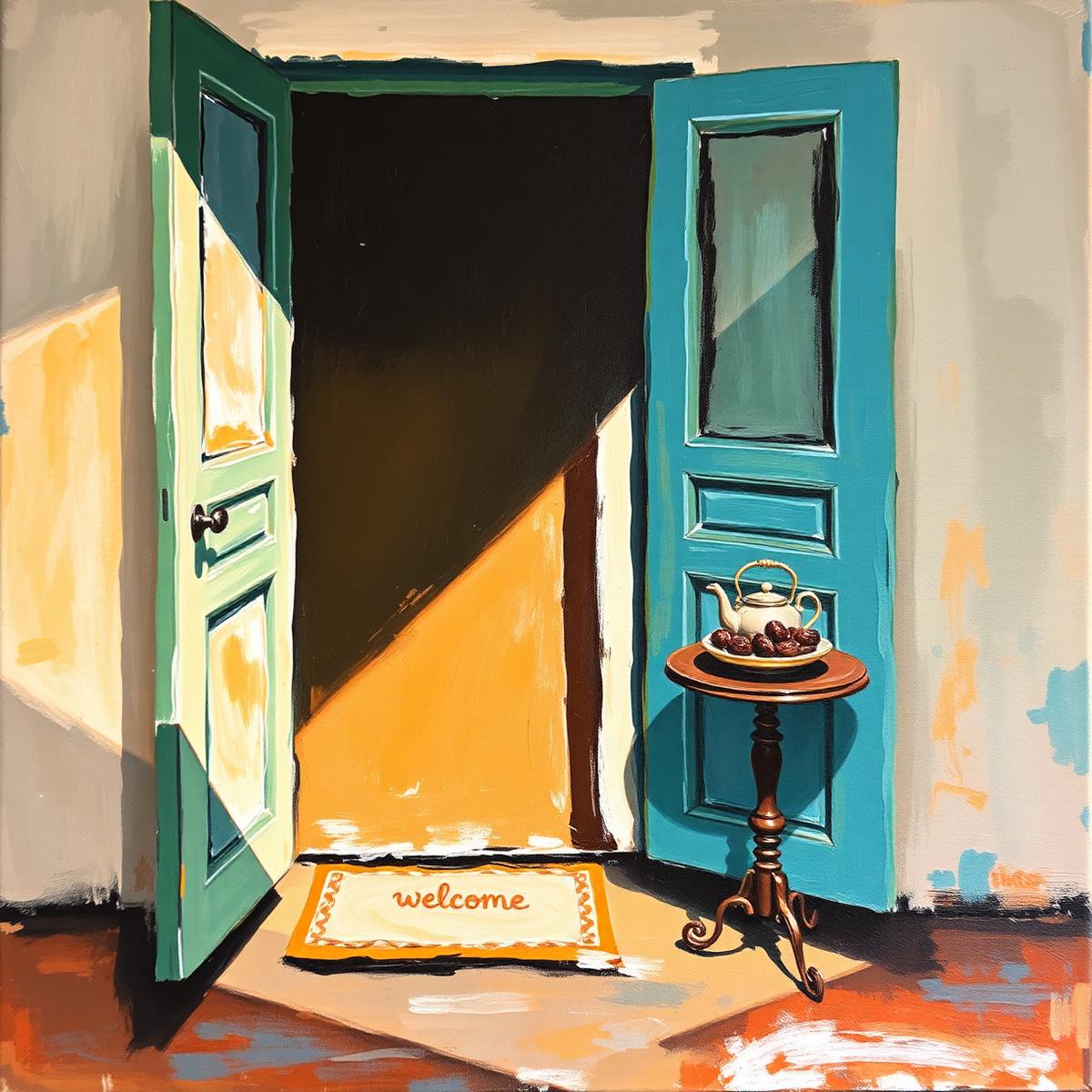
Character & everyday conduct
Muslim Manners
Islam is as much about how you treat people as it is about what you believe. These are the everyday manners Muslims are taught to practice with neighbors, guests, parents, colleagues, and strangers.
Learn more
More resources
Curious about Islam? You can ask a Muslim.
Ask a Muslim
No question is too basic. Send your question and a community member will reply with care and honesty.